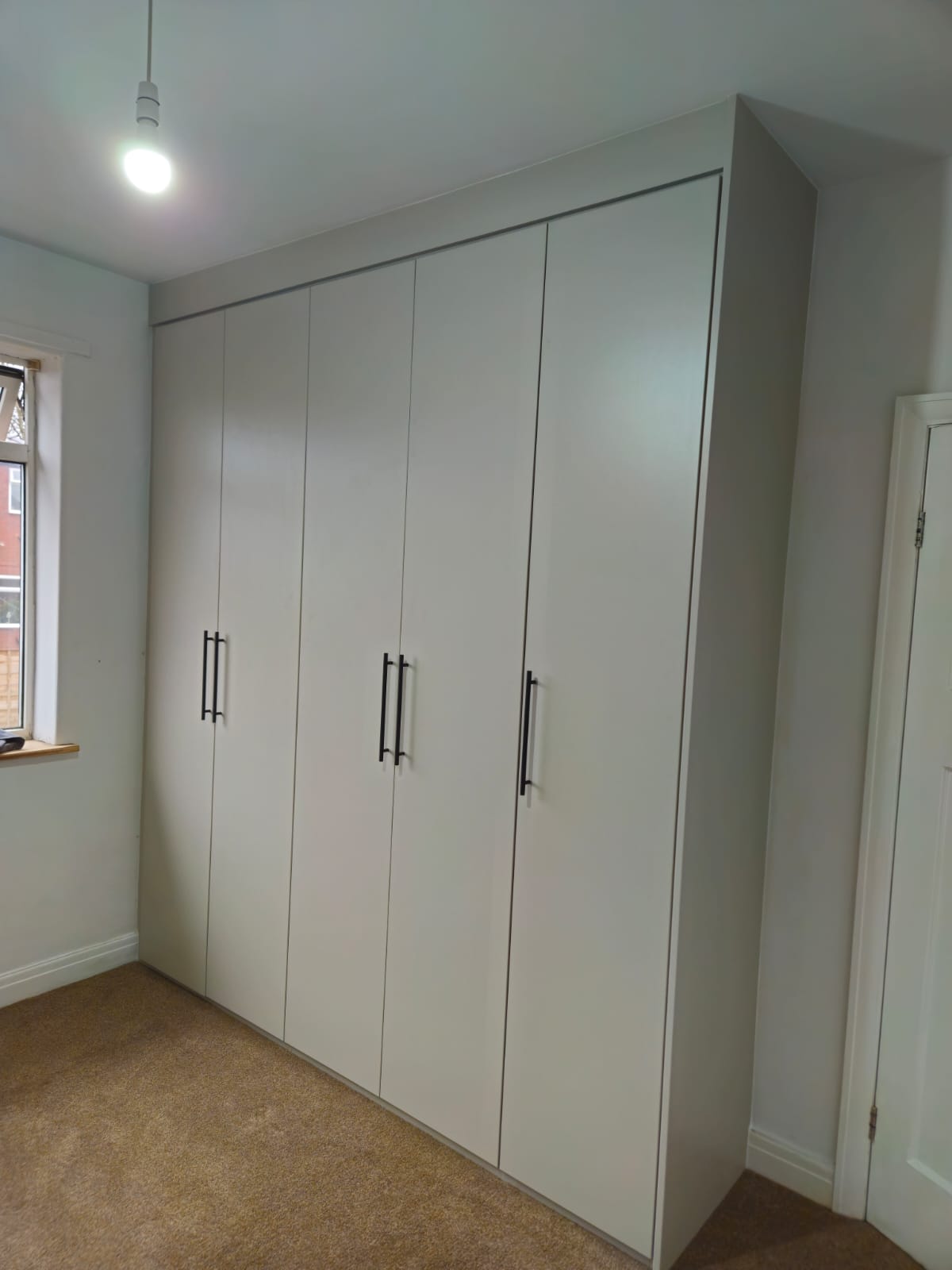
Why Measurements Matter More Than You Think
When it comes to fitted furniture, a few millimetres can make a surprisingly big difference.
It’s easy to assume that measuring a room is simply a case of finding the width, height and depth, then designing the furniture to fit those measurements.
But homes aren't made to perfectly uniform measurements.
Walls aren't always straight. Floors aren't always level. Ceilings can vary in height. And features such as skirting boards, coving, chimney breasts and alcoves can all affect how furniture needs to be designed.
That’s why accurate measuring is one of the most important parts of creating fitted furniture that genuinely feels fitted.
Your room isn't as straight as you think
Most of us don't notice the small imperfections in our homes.
A wall might bow slightly. A floor might rise or fall by a few millimetres. One side of a ceiling might be fractionally higher than the other.
You might never notice any of this when looking at an empty room.
But once furniture is installed against those surfaces, even small differences can become much more obvious.
This is particularly important with fitted furniture because the aim isn't simply to put a wardrobe in a room.
It's to make it look like it belongs there.
Why a few millimetres matter
When furniture is being fitted into a space, small differences can affect the finished result.
If measurements aren't accurate, you can end up with:
Gaps between the furniture and the wall
Uneven lines
Doors or drawers that don't sit correctly
Storage space that isn't being used effectively
A finish that doesn't look as seamless as it should
None of these things are necessarily dramatic on their own.
But together, they can make the difference between furniture that simply fits and furniture that looks like it was designed specifically for the room.
It's not just about measuring the walls
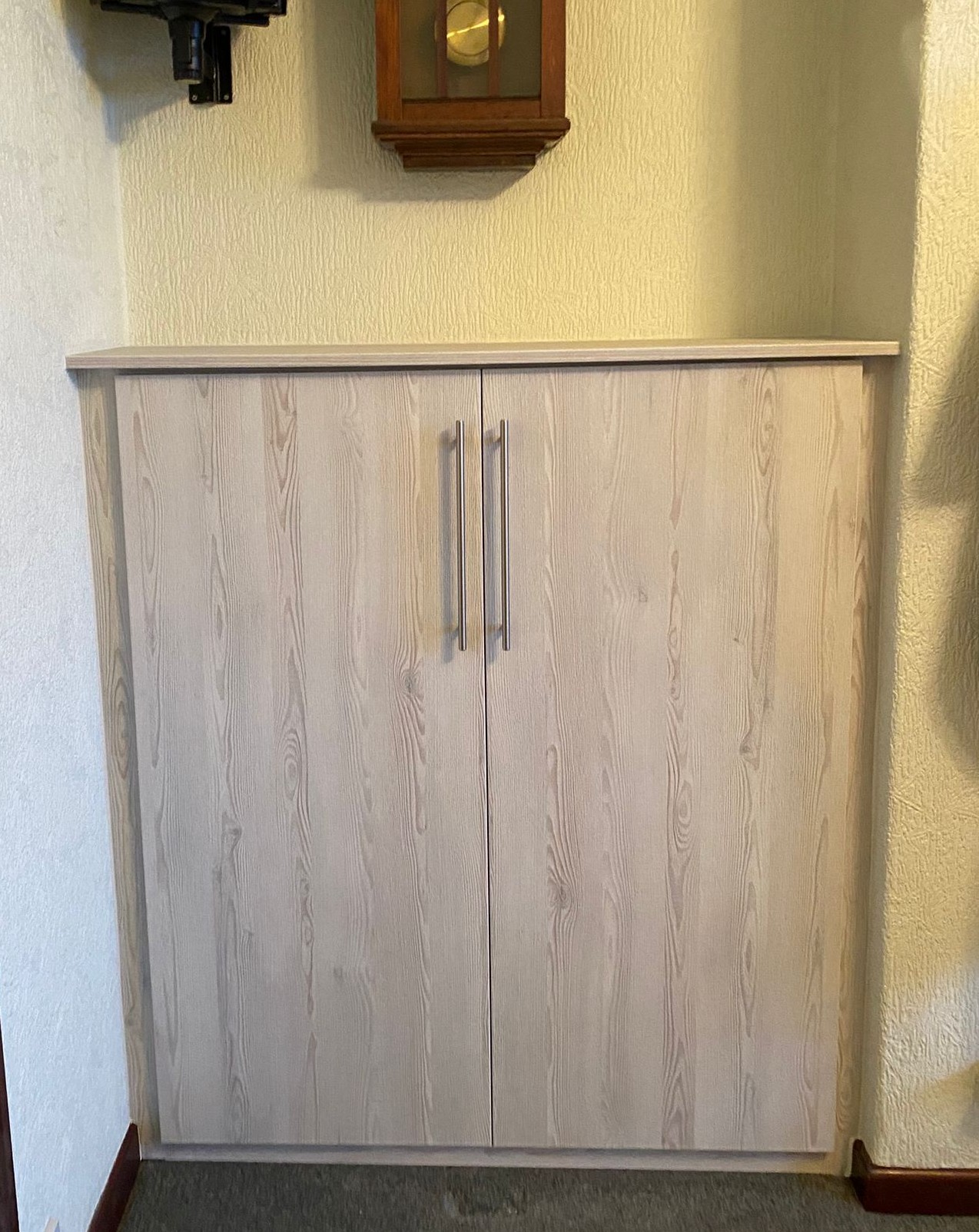
There's more to measuring a room than taking a tape measure from one side to the other.
We also need to consider the things already in the room and how they affect the furniture.
For example:
Skirting boards
These can affect how furniture sits against the wall and how the bottom of a unit is finished.
Ceiling height
Even in a room that looks level, the height can vary slightly across the space. This becomes particularly important when designing floor-to-ceiling furniture.
Chimney breasts and alcoves
These can create different measurements at different points across the room and often require a more considered approach.
Floors
An uneven floor can affect how furniture sits and how doors and drawers align.
Walls
Older homes in particular can have walls that aren't perfectly straight or square — and that's part of their character.
Good design takes all of this into account.
Why we take our time during quote appointments
There's a reason we don't want to rush through a quote appointment.
It's not simply about taking measurements and putting some numbers on a quote.
It's an opportunity to understand the room, look at the space properly and talk through how you want to use it.
The more we understand at this stage, the more considered the design can be later.
It also means we can identify potential challenges before furniture reaches the workshop or, more importantly, your home.
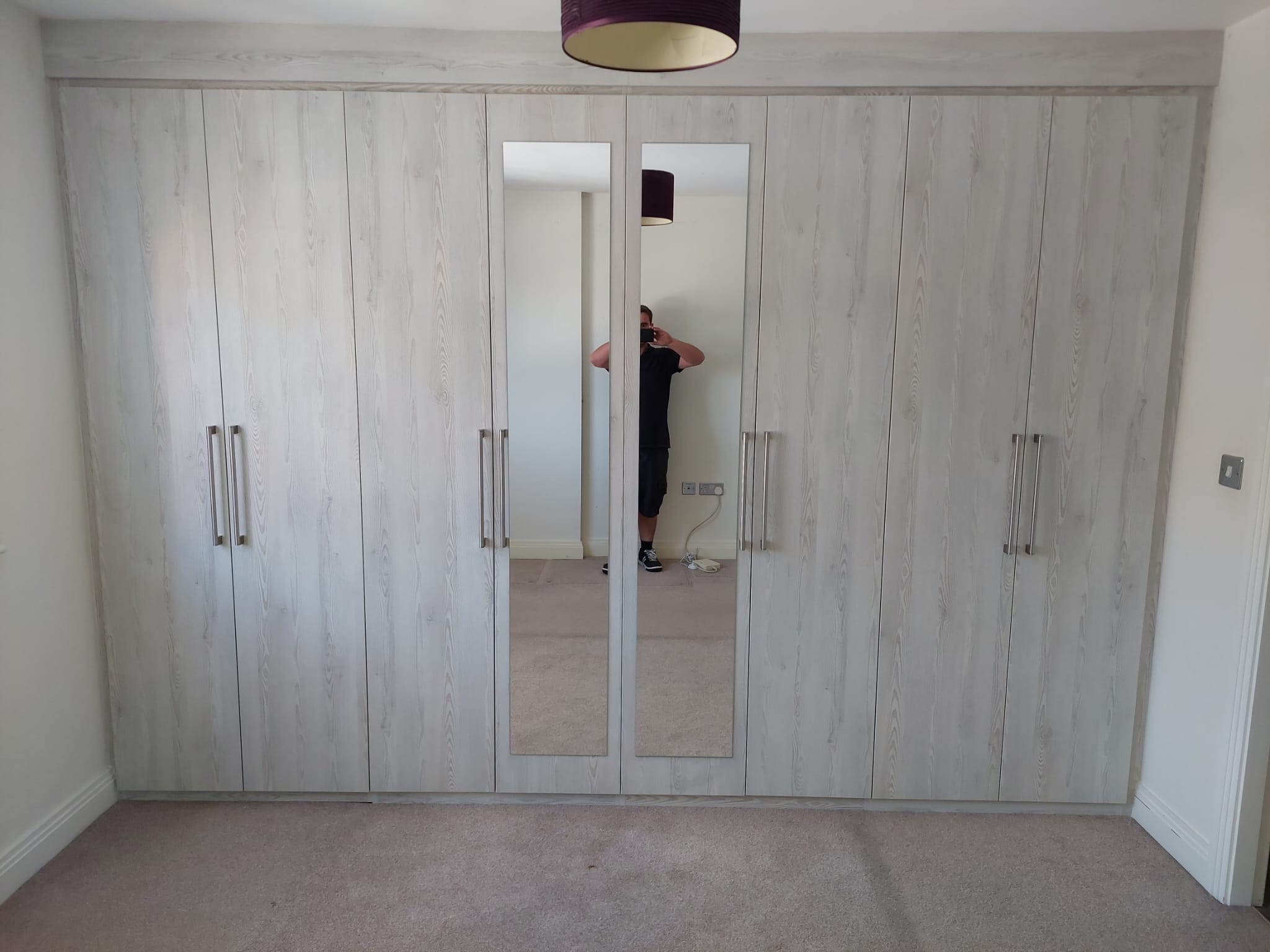
Good fitted furniture starts before anything is built
One of the things we think is important to remember is that the finished furniture is only part of the process.
A well-designed fitted room starts much earlier.
It starts with understanding the space.
It starts with asking the right questions.
And it starts with taking the time to get the measurements right.
Because when the design, measurements and installation all work together, the finished result feels effortless.
You don't notice the small adjustments that have been made to accommodate an uneven wall or a change in ceiling height.
You simply see furniture that looks like it belongs there.
The key takeaway
Fitted furniture isn't just about making something that fits a space.
It's about understanding the space first.
A few millimetres might not sound like much, but when you're creating furniture to sit neatly within your home, those small details can make a big difference.
And that's one of the things nobody tells you about fitted furniture.